

Some day… we hope to make this vision a reality:
Horses dance across an arena, ridden in a ballet of harmony between two species. Lipizzans, Lusitanos, and other breeds (maybe Sorraias, maybe Black Forest Horses, maybe Mustangs, most certainly Kerry Bog Ponies) make up the dancers, with local musicians accompanying them, playing classical music this time while last month’s theme was Gerswhin and next month’s will be folk music. The audience is delighted to see things they’ve never seen in this performance, including sidesaddle, long-reining, garrocha, and many other expressions of the art of classical riding. Some had seen the performance last month that had tap and ballet dancers sharing the arena with the horses, and some plan to attend the next one with Native American dancers sharing the arena and telling a different story through horses. What the audience doesn’t realize is that one of the riders is a para-rider, another is a gifted young rider from an impoverished background, another was once a victim and is now a victor, another traded their military uniform for the School’s tailcoat, and another practically grew up in the saddle. The ages of the riders range from prodigies to the wise and seasoned; the only real thing in common between them is the passion for the art of classical riding. In the audience, a grandparent hugs their wide-eyed grandchild and tells the child how their father was one of the ones who saved the Lipizzans in WWII, while a teenager there with a school group thinks: “That’s what I want to do when I grow up.”
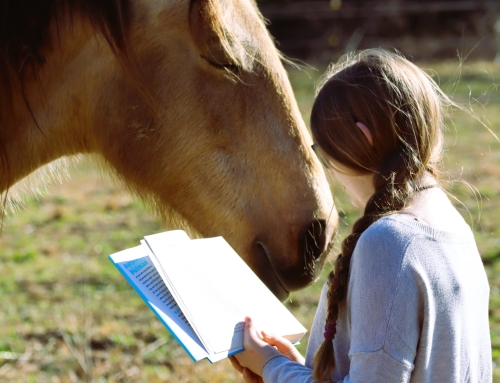
The audience also doesn’t get to see that later in the week, a local student is taking an advanced lesson in that very arena from one of those very riders on one of the very horses seen in the performance, while a teenager peeks out the barn aisle to watch and learn while cleaning stalls in exchange for their lesson later that day. Out in the field, a burned out teacher is finding rest and renewal sitting in a field with an elderly mare that is the mother of the lesson horse. In a cabin or even a yurt, a group of veterans are swapping stories of basic training while getting ready for a seminar on horsemanship, getting a serious taste of horses and riding to see if maybe this is the new purpose they’ve been so desperately looking for after they got out of the military. One of those veterans would never admit that horses pulled them from the edge of the mental cliff, but they’re filled with gratitude for it and want to do give back to horses in return.
Outside of the pastures, a staff member is showing a group of 4H kids the basics of garden preparation using organic and regenerative practices, while an intern uses a dog to move goats from one field to another to handle the weeds, much to the entertainment of a farm tour group that had never seen a herding dog working in real life, least of all a Pyrenean Shepherd and San Clemente Island Goats (maybe even some other goats and sheep as well). That farm tour group later buys eggs and vegetables, though whatever isn’t sold that day will be donated to a food bank or to a local family going through a rough patch.
In the stables later, students, including riders, interns, staff, and local students, get together to continue their education in the science of riding, learning from a veterinarian using a scale model of a horse’s skeleton. One of the interns plans to become a permanent rider with the School one day to carry the torch, while another has been accepted into vet school and a third is starting their journey to become an equine massage therapist and saddle fitter. Later, one of the assistant riders is helping a student with exercises and other therapies for a rescue horse that was given up for an injury, even though it’s a fixable injury. In the classroom, a student laughs at the awkwardness of learning a new exercise on an artificial horse, thrilled that they can even think about sitting on a horse again after their car accident. Coming into the guest quarters, a week-long retreat rider settles in their horse, patting them and reassuring them that this week spells new hope and chance that maybe they can accomplish their goals together after so much discouragement from so many others. Their friend and travel buddy, also taking a week-long retreat but on School horses only, is over the moon that they’ll be able to cross off their bucket list: “Ride a Lipizzan.”
In another state, a former intern calls one of the staff riders to get some additional pointers before taking their first instructor’s exam the next month. They’ve gone through the certification program, taken the extra online courses, read the materials, and practiced the riding test, and now they’re anxious but excited to have a way to prove what they know and launch their career, even if they can’t afford to prove it in the show ring. While they won’t back come to the School as a permanent staff rider, they’ll start their own program with the Tempus Renatus name backing them and will always be welcome to continue their education with continued lessons (even if they have to be virtual), advanced online courses, and scholarships for other compatible programs with partnering organizations.
This is our vision for Tempus Renatus: a whole ecosystem fostering art and learning as well as growth and healing. The foundation is there… will you help us make it a reality?
Discover more from Tempus Renatus School of Classical Horsemanship
Subscribe to get the latest posts sent to your email.